Thursday, April 14, 2016

A New Tree of Life


On either side of the river is the tree of life with its twelve kinds of fruit, producing its fruit each month; and the leaves of the tree are for the healing of the nations.
  Revelation 22:2

The tree of life is an important theme in scripture and our Christian bible ends with the image of such a tree, as a symbol of hope. The tree of life shows up in other spiritual and religious traditions as well. In the movie Avatar there are the massive hometrees and the Tree of Souls, which is, essentially, the tree of life.  There is a film called The Tree of Life which was both praised and despised, depending on the viewer or critic.

The tree of life was also a concept embraced by Charles Darwin. Nearly two hundred years ago he used the metaphor to describe the relationships between organisms. While scientists now view his tree as inadequate in MANYpects, it was the inspiration for subsequent visualizations.


The latest version has been offered by a team of researchers from Berkeley University. It shows that bacteria make up a significant portion of this tree, and we are still becoming aware of the great diversity of that bacterial world.

As a Christian who reconciles trust in a Creator with the processes of the natural world included in what we term evolution I find this fascinating. Such a vast, complex world we live in! When I read Genesis it's not the notion of a six-day creation which I take to heart. It is the caution that as we come to the tree of good and evil we must be humble and realize that we make lousy gods. If we hope to heal the planet a sense of wonder and a commitment to humility are essential.

Comments?

Wednesday, April 13, 2016

Canadian Black Lives Matter


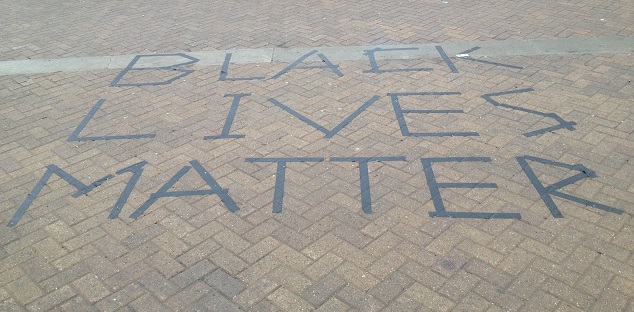
Most of us have heard about the Black Lives Matter movement and assume it is primarily about racial injustice in the United States. It is a relatively recent cause beginning in 2013 with the use of the hashtag #BlackLivesMatter after the acquittal of George Zimmerman in the shooting death of African-American teen Trayvon Martin. It appeared that Zimmerman literally got away with murder, and Black Lives Matter has been used repeatedly since then when people of colour have been killed.

We might not be as aware of the Black Lives Matter protests going on in Toronto in recent weeks. Eventually Premier Kathleen Wynne met with leaders, although Toronto mayor John Tory has been reluctant to do so. There have been a number of incidents in Canada's largest city, including shooting deaths of black people, which led to these protests.

Yusra Khogali Black Lives Matter Toronto

As I've listened I have wondered if there has been any faith response, and then yesterday I saw a letter from clergy and lay persons of the United Church acknowledging that there is systemic racism in the city. There are more than 140 signers, and I know many of them.

We are deluded if we figure racism doesn't exist in Canada, even though we are generally a tolerant and diverse society. A number of media sources have shut down comments on aboriginal stories because of the toxicity of the responses. We hear plenty of nasty stuff about refugees, and there are ongoing tensions about so-called carding of people of colour in Toronto. While the issues may not be as apparent in communities which aren't as diverse, there is plenty of racism out there.

Again, this is a marvellous country and we don't want to paint a dire picture of race relations. Toronto is known throughout the world for its workable diversity. Still,  I am grateful for colleagues and other people of faith who are willing to address the ugly reality of racism.

Tuesday, April 12, 2016

The Joy of Love


In the Fall of 2015 we marked Creation Time at Bridge St UC with sermon and study series' on Pope Francis' encyclical called Laudato Si: On Care for our Common Home. When the pope speaks the world tends to listen, or at least react and respond.

Francis is at it again, this time with a reflection on marriage, love, and family entitled Amoris Laetitia: The Joy of Love.  I really do wish the Vatican would lose the Latin. Who uses Latin anymore? But I digress...

This is another important document because it opens the discussion about what families look like, and at least gives a glimmer of hope for those in relationships which don't fit a particular template. There seems to be room for grace here, although some Vatican watchers insist that the change is in the rhetoric, not the doctrine of the Roman Catholic church. Because the eucharist, or communion, is so central to Catholicism there is also consideration of who is welcome for the sacrament. Traditionally divorced Catholics have not received the eucharist.

Protestants might not be inclined to give this document much consideration, particularly those of us in liberal churches. We have come to different conclusions about divorce and remarriage, same-gender marriage, and the meaning of relationships outside of marriage. The United Church has been thoughtful in working through these issues, but I'm not sure anyone reads the documents we produced along the way. And of course marriage is not a sacrament in Protestant churches the way it is in Roman Catholicism.

I figure we should pay attention to Amoris Laetitia because we tend to be so vague in our theology of relationships and marriage despite our stated positions. I'm with Pope Francis in his encouragement to be less judgemental and rule-oriented about relationships.He says that the church must meet people where they are and stop speaking of "living in sin.  At the same time I want to consider how can be support relationships if we don't take much more than a passive, "whatever" approach.

Here is an article on the top ten "take-aways" from the document http://americamagazine.org/issue/top-ten-takeaways-amoris-laetitia

Will I read Amoris Laetitia the way I worked my way through Laudato Si? I doubt it, but I will pay attention to the reflections of those who have. And I will ponder my convictions about relationships.

Thoughts?

Saturday, April 09, 2016

Honestly


The world seems outraged by the revelations of prominent persons from many nations who have tucked their wealth away in Panamanian tax shelters. From what I can see the majority have done so legally, although some are hiding ill-gotten gain, and others have entered the shadows of unethical behaviour, even if it is not illegal. Some of the thousands of persons named in leaked documents are politicians who are under pressure to resign or have done so because they have profited from the havens at the same time their national banking systems were taking a huge hit.

What is shocking is that anyone is shocked. The wealthy have usually been adept at both creating wealth and holding on to it. The wealthy are generally conservative in their politics because they want to conserve what they have. If you listen to loudmouths such as Kevin O'Leary, this is the way the gods of commerce and accumulation have ordained it. He is so convinced of this that he considering a run for leadership of the Conservative party of Canada.

What depresses me is that while there will be some huffing and puffing for a week or three, this too shall pass, and we will return to the status quo of the rich prospering. It's unlikely that anything will change. It will remain legal to dodge taxes, despite all the moral outrage.

 I think of the negative comments I regularly hear about free-loading poor people who milk the system. We have our fair share of folk who come to the church seeking twenty dollars here, thirty dollars there. Someone showed up while I was writing this blog, a regular who is one of the few individuals who pays us back. Why does society hold these people in contempt and accept that at least some of the rich can do what they please? Did they really earn their wealth, the way most people do?

Jesus had a lot of time for the poor, and suggested more than once that the road to hell is paved with lucre, even when it isn't filthy. Could it be that we should pay greater attention to Jesus? Ah, such silly talk!

Friday, April 08, 2016

The Court of Public Opinion

JIan Ghomeshi, with lawyer Marie Henein, made his way many times in recent months through public throngs without talking. But Judith Timson believes in the court of public opinion he will eventually have something to say.

The Jian Ghomeshi trial came and went, although the former radio celeb will be back in court in June. Ghomeshi is present but not accounted for in the sense that he has to testify. That is the responsibility of his accusers and the first three did not fare well, all being dismantled in questioning by Ghomeshi's formidable lawyer, Marie Henein. Henein did exactly what she was employed to do, and the outcome was what everyone who knows the judicial system expected. While she was vilified as a traitor to her gender she did an exemplary job as a lawyer, regardless of gender.

As a Christian minister who has listened to many heart-wrenching stories of assault and abuse, and as a person married to a former Women's Shelter counsellor, the outcome of this case was not satisfying. While I appreciate why Ghomeshi was acquitted, I am not convinced justice was done for those three women, many more who didn't press charges, and for women everywhere who are reluctant to enter into the murky waters of a legal system that seldom addresses sexual assault cases without leaving the complainants feeling they have been made victims again. I felt that the judge unnecessarily scolded the complainants, even though their testimony was not sufficiently credible for a conviction.

In the end Ghomeshi was acquitted in a court of law, but not in the court of public opinion, as Toronto Star writer Judith Timson so cogently reminds us. In her excellent article she poses ten questions I feel get to the heart of the moral and ethical matters.

1. Mr. Ghomeshi, why do you think so many women — not just these three but easily a dozen more — came forward to the media with accounts of having been abused or assaulted by you? Is it your contention that every single one of these women was lying or mistaken or vengeful? If so, why would that be?
2. Can you walk the court of public opinion through your admitted “rough sex” practice and tell us what physical actions were involved? 
3. Could you help us understand what “consent” means to you? No one doubts that consenting sexual partners do all sorts of things that others view as weird or distasteful or dangerous.  Did you obtain verbal consent every time you practiced rough sex?
4. Apart from the allegations of sexual assault, why do you think other women have come forward, to say your manner with them socially or professionally, was sexualized, overly flirtatious or just plain creepy?
5. Were you aware that in the arts and music scene, that talk was rife about you being a “bad date”? Did this concern you?  Did you ever try to rebut this gossip? If not, why not?
6. Can you please tell the court of public opinion why you kept emails and in one case a written letter that were more than a decade old from women who seemed to have meant so little to you. How did you file these emails?
7. In the CBC interview, your lawyer Marie Henein said this process was “painful and very difficult” for you and that anyone who goes through a criminal trial “will never be the same again.” How did this trial change you?
8. Have you given any critical thought to your relationships with women?
9. If you are acquitted at your next trial, how do you intend to rebuild your life?
10. And finally having gone through what anyone would describe as a legal nightmare, what would you have done differently?

http://www.thestar.com/life/2016/04/06/10-questions-for-jian-ghomeshi-timson.html

I did feel that some of the post-trial reaction was "over the top" but the issues around sexual assault have not been resolved and once again the provisions of the law are found wanting.

How did you feel at the end of it all? Do we need to re-examine the way our judicial system addresses sexual assault?

Thursday, April 07, 2016

The Bible as State Book? Why?


There really is so much weird religion in the States. The most wretchedly mean-spirited candidates in the presidential race invoke the bible but obviously take none of it to heart. Everyone intones "God bless America" to the point that it means next to nothing. What would it mean, anyway? That God blesses the United States because...why, because?

Now we learn that Tennessee is going to declare the bible its state book. It's curious enough that states and provinces have designated birds and mammals and flowers. Massachusetts has a state fish, represented by the so-called "sacred cod" which hangs in the legislature.


Why chose a sacred text as a state book though? We live in a pluralistic age, where different religions are respected, at least in law. Choosing one holy book offends or diminishes others, not to mention those who don't adhere to any sacred text.

Perhaps more importantly, history tells us that the bible is at its best when it challenges the status quo, and the "principalities and powers," not when it is coopted by them. The bible has been at its worst when it is used to justify harm to those who are disempowered and disenfranchised. The ugly truth is that Tennessee was a slave state, and the bible was probably used to justify the evil institution on a regular basis.

The bible is at its best when it lifts up the lowly and scatters the proud in the imaginations of their hearts. We know that Henry VIII hunted down those who translated the bible into English because there was so much which challenged imperial power within its pages. The King James Version was a "if you can't beat 'em, join 'em" attempt to control the message. The bible is a subversive book which upholds Christ's new way, his reign.

I'm pleased to see that a number of Christians leaders from different denominations are opposing this bill. To be clear, the bible is the most important book for me. But instead of declaring the bible a book of significance through legislation, why not simply make its message meaningful from the pulpits of churches and in the actions of our personal lives? Or is that too foolish a suggestion?


http://www.religionnews.com/2016/04/06/why-making-the-bible-tennessees-state-book-is-a-bad-idea-commentary-183656/

Tuesday, April 05, 2016

The Refugee Challenge


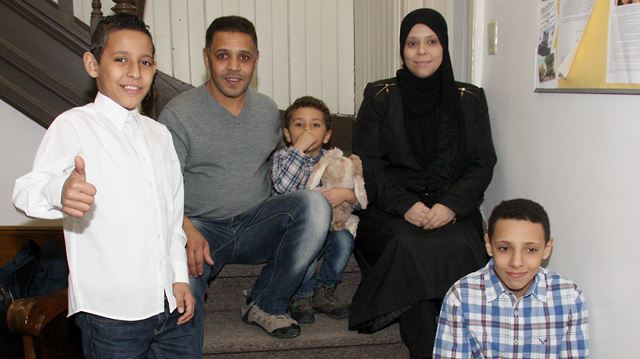
I wrote recently about the potluck meal held at Bridge St. United to welcome our sponsored Syrian refugee family, the Al Mansours, along with another family sponsored by another group. The Al Mansours are pictured above from that evening. We are so pleased that they are adjusting well to life in Canada, and they are so grateful to be here. All are working on their English, and dad is itching to find work.

Unfortunately our positive experience is not shared by others, as you have probably seen in the news. Many sponsorship groups, including faith communities, have been waiting and waiting for word on their sponsored families and individuals. The complaint is that there is no transparency on the part of the federal government and some cynicism that now the "photo op" is over and the 25,000 target has been reached there is less urgency to settle refugees. I am reluctant to criticize a government that has done so much better than most nations, including our neighbours to the south. Yet we know that the process is not what it should be.

To add to the confusion, last week the government announced that prospective sponsor groups had a mere twenty-four hours to file applications for up to 10,000 more Syrian refugees. Virtually everyone involved in sponsorship was caught off guard and scrambled to complete the paperwork. A handful of us at Bridge St. worked feverishly last Thursday to fill in the forms for several households related to the Al Mansours, all of which are living in camps outside Syria. We had hoped for a measured approach to family reunification through sponsorship of additional family members but were thrust into a different approach.

Daily we are reminded that the planetary crisis of displaced persons is deepening. While we can't solve this complex challenge, we can choose to respond with practical compassion and Christ's love. As voters and constituents in this democracy we can also let our governments know how important this is to us.

Thoughts?


Day of Prayer for Climate Action


Well, I'm back after a week away (sort of) and a sabbatical from blogging. I hope you're still taking a peek from day to day to see if I'm writing.

This is the Day of Prayer for Climate Action, which I suppose should be every day, given the state of the planet. Of course this comes in the midst of a cold snap in Southern Ontario which has left many sputtering in disbelief -- where did Spring go? everyone whines. This shows how we have all become accustomed to changing weather patterns and climate. I grew up with the expectation that April would be the cruellest month, to borrow from T.S. Elliot. We were told not to plant anything tender until near the end of May, for crying out loud. Now we have some strange notion that the end of March is patio weather.


At the beginning of December last year Christian religious leaders joined heads of state and representatives from governments around the world to address climate change. Many pundits felt that there wasn't a prayer of reaching an effective agreement which would actually result in action. We hoped and still do that prayer will make a difference, and that we can develop the resolve necessary to bring about change because God wants us to care for Creation.

Here is a portion of a prayer on the Citizens For Public Justice website for this day.

Creator God,
We come to you in a spirit of awe, wonder, and tremendous gratitude for life on this Earth.
You have cloaked the Earth in an unimaginable beauty that is everywhere we choose to see it – in a budding spring leaf, the falling rain, a crisp mountain lake, and the clear blue sky.
Yet we continue to bring devastation upon the Earth through our over-reliance on fossil fuels.
Today, we lament the pain that our actions have caused...
We know that solutions exist.
Help us, dear God, as we work together in service of the common good.
Strengthen us as we adjust the actions of our daily lives to better reflect our love for the world.
Embolden us to continue to speak truth to power.
Walk with us as we do all these things in response to your call to love and protect the Earth.
                                                In the name of Jesus Christ, we pray,
                                                            AMEN.

Monday, March 28, 2016

The Folly of Religious Hatred

Photo published for Death toll in Pakistan Easter suicide attack climbs past 70

In my Easter message yesterday I touched briefly on the senselessness and evil of the bombings in Brussels by Islamic extremists. I hadn't heard at that point about yet another suicide bombing in Pakistan that killed at least double the number in Belgium. In the event that we might not be clear on how hideous this terrorist act was, the Taliban perversely informed the world that they had targeted innocent Christian children on Easter Day. We have also learned that the Brussels attacks were originally scheduled for Easter weekend.

As a Christian this appalls me. My brothers and sisters in Christ are being persecuted by extremists from another religion. It does make me wonder about what is inherently violent about Islam which spawns so many hateful, violent groups. Then I heard a reporter in Pakistan saying that many, if not the majority of the children and women who died at the amusement park were Muslims. In fact, so often terrorist attacks are directed at Muslims who are perceived to be unfaithful because they don't espouse extreme views.

I am reminded that hatred is an idolatry often masked by religious claims. Anders Breivik, the Norwegian fascist terrorist who ruthlessly murdered scores of teenagers five years ago insisted that he was acting as a Christian. He was no more a Christian than the supposedly Muslim terrorists are Islamic. God has nothing to do with this.

I want to keep at the forefront of my mind and spirit the wonderful Muslims I have met in this community who have made such a difference with our refugee sponsorship. And those who have willingly entered into respectful interfaith dialogue through the years. Suspicion and hatred are always dead-end streets.

Comments?

Read this Washington Post article on the plight of Pakistani Christians https://www.washingtonpost.com/news/worldviews/wp/2016/03/28/the-plight-of-pakistans-christian-minority/?tid=sm_tw

Sunday, March 27, 2016

Christ is Risen!


The cross in the Bridge St sanctuary is now draped in white rather than shrouded in black. There are dozens of floral arrangements at the front and the table is set for communion. Terry Head is practicing the stirring music for our Easter worship on the pipe organ, and the brass players are accompanying him. The sights and sounds are among the pleasures of the Easter service in this congregation.

As we celebrate the resurrection of Jesus, the Promised One, the Christ, I am deeply aware of the pain of our world which is always present. Tomorrow I will preside at the funeral of a retired minister, a good and kind man who served for nearly half a century. He preached many sermons of hope on Easter morning and in the midst of grief we will celebrate not just the gift of his earthly life, now past, but the promise of eternity.

Christ be with all of you today and each day. Christ is Risen!

Friday, March 25, 2016

Cruciform Faith


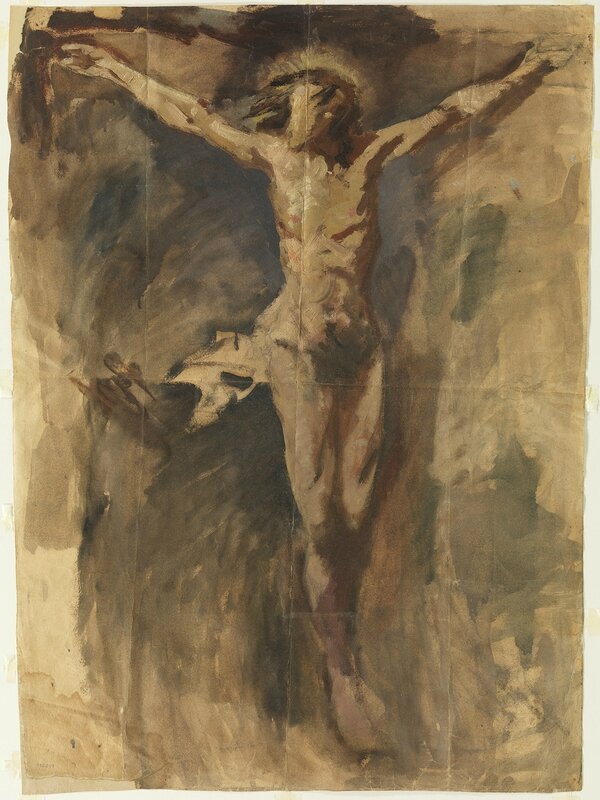
I'm not sure that you, dear readers, will be inclined to ponder this blog on Good Friday, but here I am. Last Sunday --Palm/Passion Sunday -- I chose to preach about the cross and crucifixion because we don't all that often. at least not in liberal Protestant churches. And folk tend to avoid Good Friday services in droves, so even this opportunity is minimized.

We Christians recognize that our faith differs from others in that God is incarnate, human, in the person of Jesus. The teaching, the preaching, the healing of Jesus' ministry all matter for us. We also recognize that while the gospels offer all this, they aren't biographies. The central message and the greatest amount of "coverage' in the gospels is given to the final days of Jesus' life and ministry. His crucifixion is both a scandal and the power of God's radical identification with us, setting us free from sin and sorrow.

I am reminded that the darkness of a fallen world besets us daily. The tragic attacks in Brussels on Tuesday show us how evil the hearts of individuals and groups can be. Terrorist acts are carried out for reasons that are really not reasons and the innocent perish. A number of writers have pointed out that this happens daily around the world but we are captivated by Brussels because these are people who share many of our cultural norms.

While the cross is a Christian symbol we sense that this in-the-flesh love for humanity is indispensable in comprehending the sadness and evil of our world and the possibility of redemption. The particularity and scandal of the cross will always involve mystery, yet we look to Jesus, the Crucified One for light in the darkness. Our faith is cruciform.

Thursday, March 24, 2016

Maundy Limbo


Our Maundy Thursday service is so simple that it requires a great deal of preparation. We set up the chapel with a table set for the participants. They come to that table for the bread and juice as though they were gathering for a meal, which they are. We read passages from the Hebrew scriptures and New Testament which remind us of God's story of deliverance. I wash the feet some of those present. It doesn't sound complicated but there is a lot of setting up, a lot of recruiting participants.

We are prepared, but we're experiencing a blast (last gasp?) of Winter weather across Southern Ontario and the freezing rain as the day progresses sounds ominous. In all the years --decades-- I've being presiding at Maundy Thursday services I've never cancelled due to weather. And I find this worship gathering very meaningful, as have so many who've attended. But there is a first time for everything.

Have you attended Maundy Thursday services in your church? Do you remember when we had no idea what a Maundy Thursday service was in our Protestant congregations? Is this an important addition to our liturgical cycle?

Wednesday, March 23, 2016

Plot-Thickens Wednesday


If you hang around liturgical churches at all, or even if you did at another time in your life, the terms Palm Sunday, Good Friday, and Easter Sunday have meaning for you. In the past few decades many Protestant denominations have added Maundy Thursday services as well, usually an intimate gathering to wash feet and share in a Eucharistic meal. It is actually a favourite of mine. Holy Saturday is recognized with an Easter Vigil in some denominations and the congregation I served in Sudbury actually baptized at a joint service with the Anglicans.

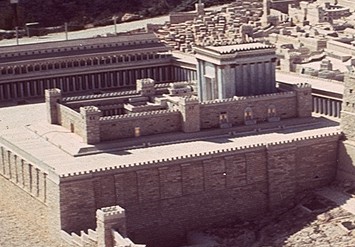
The Monday, Tuesday, and Wednesday of Holy Week don't have designations in the same way, but we know that after Jesus rode into Jerusalem before a branch-waving crowd both religious and Roman leaders were on high alert. This was the time of Pesach, or Passover, and the city of Jerusalem was crowded with Jewish pilgrims who were not happy with the Roman occupation. The gospels recount Jesus' provocative action, overturning tables of sellers and lenders in the temple. It was a symbolic act but an attention-getter.


Both Tuesday and Wednesday were "plot-thickening" days when religious authorities were looking for ways to silence Jesus. As much as Christianity has vilified and demonized these Jewish leaders through the centuries, they were in the precarious position of placating both an unsettled populace and Roman overlords. Either group could lead to their ouster or demise.

I need the reminder every year that what happened in the final days of Jesus' life reflects the issues of power, politics, and religious fervour of any time in history. The silent, or at least quiet days of Holy Week have there meaning as well.

Any comments about Holy Week and what unfolded for Jesus?

Tuesday, March 22, 2016

World Water Day


The ice is mostly gone from bodies of water and waterways around where we live in Southern Ontario, although a few cold nights have caused it to re-form where the wind doesn't shove it around. We are so fortunate that we actually witness water as a liquid and solid and gas (mist, fog) through changing seasons and temperatures. As I cycle along the Bay of Quinte to work I see all three and I am constantly fascinated.

We are canoeists and kayakers and love being out on the water, something we can do within minutes of where we live. We are so grateful for these opportunities and consider them a gift from God. I have been so excited at the prospect of paddling and we almost ventured out on Sunday afternoon. The precipitation in the form of snow and freezing rain will put the kibosh on that notion for a while now, although we did canoe on the bay Christmas Day. It is supposed to be eight degrees on Easter Sunday, so we may get out there during March yet.

We hear so much about melting glaciers due to climate change and industrially contaminated waterways and the hundreds of millions who don't have ready access to potable water. All of this is real and grim and we simply aren't mindful of how precious water is. The planet needs the commitment of individuals and governments for change.

On World Water Day it is also important to celebrate the miracle of water which graces our lives in so many ways.

Is water a source of pleasure and solace and blessing for you? Have you become more aware and careful about your use of water? Take a look at the Watermark project to add your water story to a nation-wide resource http://www.waterkeeper.ca/

Anger


As we move our way through Holy Week each time we rarely spend time contemplating Jesus' anger. It is far more likely that we will focus on his admonishment of Peter for acting out with violence against the Roman soldiers who come to arrest him, or his "Father, forgive them" prayer from the cross. At the beginning of the week though Jesus got angry, overturning tables in the temple, the co-called "temple tantrum." He symbolically shuts down the activities of the centre for worship which he feels has strayed from its purpose of justice and righteousness. When we do refer to this story we tend to speak of righteous anger.

Today suicide bombers recklessly and ruthlessly killed innocent people in Brussels. In their all-consuming anger Islamist extremists murdered and maimed those they did not know, and the dead may include devout Muslims for all we know. These acts of violence achieve nothing, solve nothing.

I am angered, outraged by what has transpired today and by every act of terrorism, and I think I should be - we all should be. What I also believe is that I can't give myself over to "eye for an eye" thinking, because that would betray the teaching and example of Jesus. To the very end of his life he lived passionately rather than meekly, but he chose a way which challenged violence and brute force. So should we.

Thoughts?

People wrapped in blankets leave the scene of explosions at Zaventem airport. (Francois Lenoir/Reuters)


Saturday, March 19, 2016

Martyrs for Creation?


Earlier this week I mused about saints, and whether it makes much sense to use the term. Well, I'm at it again. What about the term martyrs? The word martyr means "witness" but it came to be associated with those who gave up their lives as faithful witnesses for their faith. Those who immediately come to mind are early Christians killed in the Roman Coliseum by ravening beasts. The only problem is that there is no documentation of any Christians dying there in that manner.

Many Christians have been killed for their faith, more in the 20th century than in all the previous centuries combined.

Recently environmental activist and Roman Catholic Berta Caceres was shot and killed.  The Catholic Herald reports her death this way:
 
An outspoken environmental activist in Honduras was murdered in her own home, sparking outrage and offering another example of the impunity and violence in the Central American country.Berta Caceres, who won the 2015 Goldman Environmental Prize – an award considered the Nobel for ecological actions – was murdered at around 1am on Thursday in what police initially called an attempted robbery, but family members denounced as politically motivated murder, according to media reports. The Italian newspaper La Stampa hailed her as a “martyr of Laudato Si'”, the Pope’s environment encyclical.

A Lenca indigenous leader, Caceres attracted international attention for her opposition to a hydroelectric dam on the Gualcarque River in western Honduras, where construction crews arrived unannounced almost a decade ago. A court order banned her from the area and she endured death threats, but successfully led protests that thwarted the project.

“She was a woman committed to fighting for the protection of the environment and indigenous people’s territories and the common struggle,” said Fr Ismael Moreno, director of Radio Progreso and the Jesuit-run Team for Reflection, Research and Communicatio.

Caceres knew she was vulnerable and had received death threats. She was determined not to be frightened away from the causes dear to her heart, but she paid the ultimate price.

What do you think? Should someone be considered a martyr for losing his or her life because of activism for the planet? Are there any causes in the world which would be worth risking your life for? Would your faith be a factor in your decision-making?


Friday, March 18, 2016

In the Ghetto


And look the other way
Well the world turns
And a hungry little boy with a runny nose
Plays in the street as the cold wind blows
In the ghetto
(In the ghetto)


Yup, that's Elvis you can hear crooning in the background. In the Ghetto was actually one of his more interesting songs lyrically, a comeback hit in 1969 written by Mac Davis. It explores the grim realities of racial ghettoes in a time of social ferment in the United States.

Did you know that the term ghetto goes back 500 years and it is related to the segregation of Jews --essentially imprisonment -- in the Italian city of Venice? As was so often the case in Medieval Europe, the Jews of Venice were essential and prosperous citizens of the community. That changed in March of 1516.

Established by decree of Doge Leonardo Loredan on March 29, 1516, the Venice ghetto was one of the first places where people were forcibly segregated and surveilled because of religious difference. The term itself originated here; the area had been used as a foundry (“geto” in Venice dialect) and over time the neighborhood’s polyglot residents corrupted the word to ghetto.

It was Napoleon Bonaparte who tore down the gates of this ghetto in 1797, nearly three centuries later.  Read this New York Times article about the anniversary to learn more. http://www.nytimes.com/2016/03/13/travel/venice-italy-jewish-ghetto.html?smid=nytcore-iphone-share&smprod=nytcore-iphone&_r=0

This is yet another reminder of the persecution of Jews through the centuries, essentially for being Jews. Many societies and regimes  have envied and hated Jewish success, and while the biggest threat Jews posed was strengthening economies and enhancing culture, this has led to segregation and violence. The darkest example was the extermination of six million Jews under the Nazi regime.

As we are about to enter Holy Week we need to remember that this was a traditional time to persecute Jews as those responsible for Jesus' death, even though the Romans executed him. This hatred was often incited by pastors and priests through inflammatory sermons. If you think this couldn't happen today, recently a group of students from a Catholic school in the States chanted "you killed Jesus" toward the team and its followers from a Jewish neighbourhood. This was quickly censured, but it reminds us that anti-Semitism still exists.

Did you know about the origins of the ghetto? Have you been aware of anti-Semitism in your lifetime? Have you been involved in inter-faith events to deepen understanding between Jews and Christians?


Thursday, March 17, 2016

God of Many Names


God of many names/
we thank you for your presence in our midst this evening/ as we share in a meal/ and celebrate the goodness of life/ and our common humanity.

We are grateful on this dreary evening/ for the warmth of friendships which do not recognize the borders of countries/ only kindness and welcome.

We thank you, Gracious One/  for the gift that the Al Mansour and the Mustafa families have already been for us/ and will continue to be in the days ahead.

Bring us joy in food and stories shared. Amen.

Last evening a remarkable event took place at Bridge St. United Church. A potluck supper was held to welcome two Syrian families who were living in refugee camps in Lebanon and now call Canada their home. One family, parents and three boys are sponsored by three United Church congregations, with tremendous help from the local mosque and community partners. The other is one of several families sponsored by a group in Prince Edward County, this family choosing to live in Belleville. They are virtually neighbours of our Bridge St. congregation.

As of Sunday eighty people indicated they were attending, but by yesterday afternoon the number had grown to 110. By the time everyone arrived last evening there were between 130 and 140 people of all ages crowded into the Sills Auditorium. Table were hastily set up in the adjoining gym to accommodate the overflow.

This crowd was as diverse religiously and ethnically as Belleville gets. Many Christian congregations were represented, along with a large contingent from the mosque, and a smattering of Bahais and Hindus. Just about every shade of beige and brown was represented in the room, which was a bit of a surprise in largely white-bread Belleville.

I loved the warmth, the humour, the mutual respect, the camaraderie of the event. Shortly after 7:00 we all paused while the Islamic call to prayer was offered, which touched us all.

The three boys from our family, four, eleven, and fourteen came to my study where we spent some time playing with the dozen or so wind up toys I keep there for visiting kids. The four-year-old laughed in delight, and the eleven-year-old informed me that they don't have such toys in Syria. None of them spoke English three months ago, but he was able to communicate quite clearly. I was in awe of their intelligence and resilience.

In my opening prayer I thanked God for the gift of these families to our community and an Arabic speaker who has been tirelessly involved translated, phrase by phrase. We have been blessed by their presence.

Comments?  

Wednesday, March 16, 2016

Saintless


The news is out, the late Roman Catholic nun known as Mother Teresa of Calcutta will be declared a saint on September 4th of this year. This is certainly a significant acknowledgment by the Church of a remarkable woman with a passionate desire to care for the lowliest of Indian society. Her 4,500 Sisters of Charity carry out the work she began as an individual and one of their vows is to give "wholehearted free service to the poorest of the poor."

I deeply admire Mother Teresa but not everyone does. The late Christopher Hitchens despised her, but he had a hate on for all things and people religious, it would seem. In India there are lingering criticisms that she did not respect the culture in her efforts to proselytize. And others feel that she took an authoritarian approach to leadership that was less than Christian.

Don't you figure this is what happens in a culture where we know just about everything about anybody who is anybody. And we have developed such weird values anyway. Some defend the right of celebs such as Kim Kardashian to post naked pictures of herself with such vigour you might think she had achieved something heroic. Sport stars are virtually worshipped no matter how reprehensible their personal behaviour. Released by one team for beating up your partner? It's okay, you'll catch on somewhere else.

Even though I have served three "saint" congregations and enjoy speaking about the Celtic saints I wish we would dispense with the notion of sainthood as a form of spiritual superstardom.We're told that sainthood has actually become a business, and a rather suspect, money-driven one at that. 

I prefer the apostle Paul's notion that we are all saints when we are Christ's people, in our frailties and our faithfulness.

Should we just "go commando" when it comes to saints? Maybe we are better off going saintless.

Tuesday, March 15, 2016

Blessed are the Cheese-makers


This past Sunday I spoke about the Celtic saints in anticipation of St. Patrick's Day. I included St. Brigid, the abbess of a convent,  and the prayer attributed to her which imagines heaven as a place of celebration with plenty of beer for all. This would have scandalized my 90-year-old mother whose Salvation Army roots kept her away from alcohol for a lifetime, and the Methodists certainly looked askance at booze of any kind.

Fermented beverages were and are a regular part of life for many cultures, without negative connotations. There are many monasteries renowned for their fine beers. We watched the last episode of the four-part series developed and hosted by Michael Pollan called Cooked. The Earth segment is almost entirely about the foods we enjoy thanks to fermentation, everything from sauerkraut to chocolate to salami to cheese. And yes, beer. Pollan points out that the processes for both bread and beer may have been discovered virtually simultaneously.

In this episode there is a visit to a Connecticut convent and a nun , Sister Noella Marcellino, who makes amazing looking cheese. She says that she prayed for a French woman to show up and teach them how to make traditional cheese from whole milk and that is what happened. The discussion did have an "eww" factor with the reminder that smelly cheeses contain bacteria not unlike those which make our feet and armpits odiferous. The French figure that this smell is the toe-jam of the gods.

Sister Noella has a doctorate in microbiology, so she know the science of cheese and studies the organisms under a microscope. She is also a theologian who reflects on the dying and rebirth involved in cheese-making and how that can teach us about our own mortality and our hope. It was an intriguing sermon in a series which is not overtly religious or spiritual. And it was an worthwhile message as we come closer to Holy Week and Easter.

Don't you just want to run home and watch this series? Have you ever been involved in fermenting food? Are you surprised by the beer-making, cheese-making nuns?


Sunday, March 13, 2016

The Bread of Life


I am the bread of life... Jesus of Nazareth

We watched the third episode of Michael Pollan's four-part series called Cooked the other evening and from Ruth's perspective this was the best we had seen. Mind you, it was almost entirely about bread, and she has been an enthusiastic bread-maker for decades. The four episodes are about how humans feed themselves and they are focussed on the elements of fire, water, air, and earth. I hadn't really thought about the basic reality that bread is ground grass seeds, in the form of flour, water, and salt. While yeast may be included, what matters most in transforming these ingredients is air. The bakers they interview are fascinating individuals who appreciate both the science and the alchemy of bread-making.

Pollan reminded us that bread has been a staple of the human diet for thousands of years, and that the chance discovery that natural yeasts will leaven a pot of flour and water. Heating that mixture will release gases into the loaf, making it far more edible. He also pointed out that when there isn't enough bread to go around people get cranky. The French Revolution and the Arab Spring protests were triggered by a lack of bread.

Little wonder then that Jesus described himself as both bread and water in John's gospel, the essentials of life. When there was a bread shortage at a gathering by Galilee he made sure that everyone was fed. Of course Jesus' last meal with his disciples included bread, and is one of the sacraments of the church.

In a recent diet bread was essentially demonized, but whether it is naan or pita or a sourdough loaf, healthy breads are nourishing and sustaining.

Have you watched the Cooked series? Do you enjoy good bread? Do you appreciate why Jesus described himself as bread.

Saturday, March 12, 2016

Buy Less, Choose Well


I have a pair of Bostonian dress shoes very much like the one pictured above. The shoe in the photo is new while mine are roughly twenty years old but they are virtually identical because this is a classic look. I have Doc Martins and other more contemporary footwear, but I just like the retro look with a suit. The problem was that while the uppers on my shoes were pristine (I take care of shoes) the soles were pooched. Could they be replaced? Yes. for $70, or approximately half the price of a new pair, and almost as much as other decent dress shoes on sale. So why not just toss them?

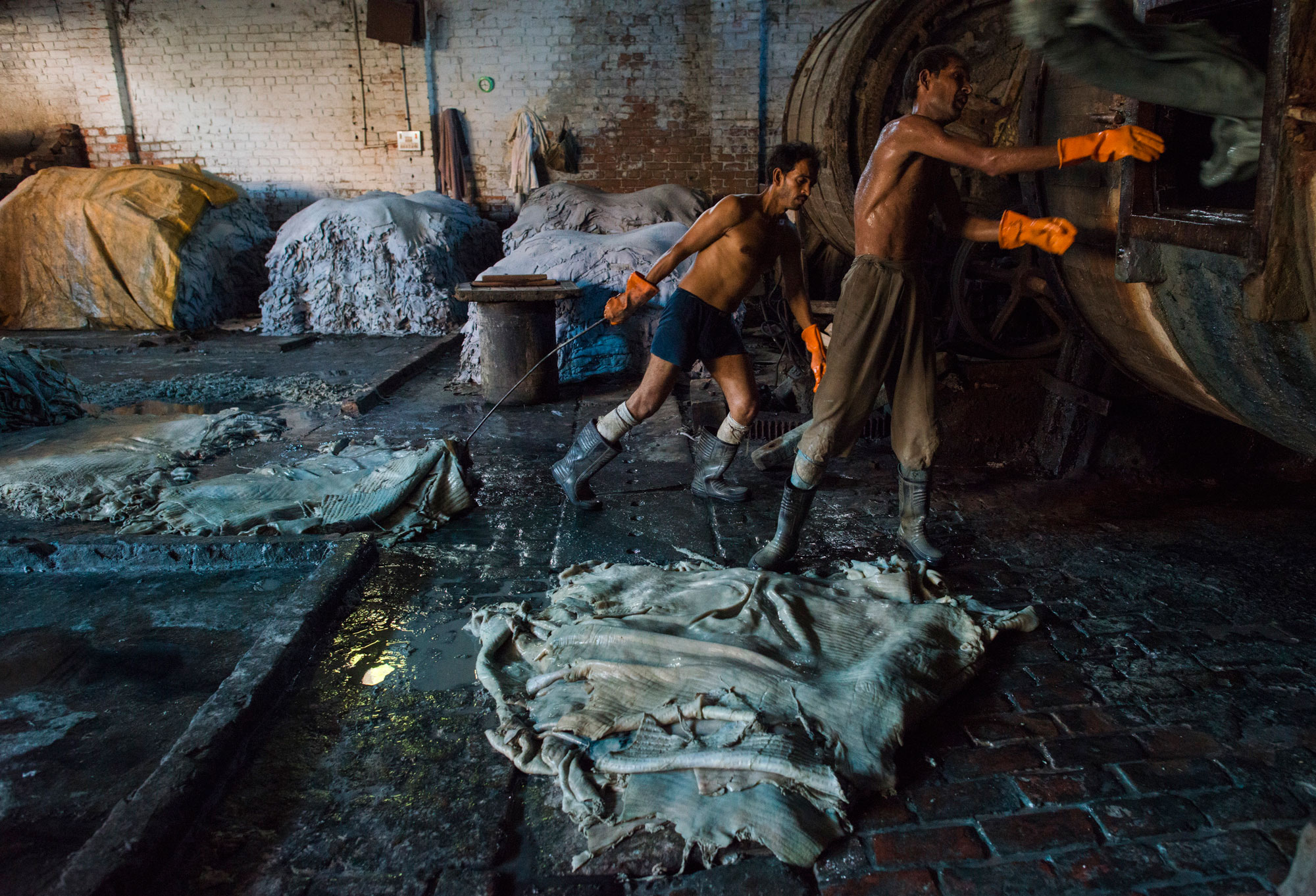
I have seen shoe factories in developing countries and been appalled at the working conditions and what gets dumped in the waterways as industrial effluent. In India, which produces 8% of the world's leather, the mighty Ganges River is a toxic mess, in no small part because of industrial outflow.

This second photo is of a tannery worker in India who is permanently scarred by chemicals from the workplace. A documentary called The True Cost urges us to consider the effect of our buying habits on those who produce the garments we wear and discard without much consideration. http://truecostmovie.com/
The True Cost’ documentary shows the human and environmental cost of fast fashion for garment workers and developing countries

In the end I went ahead and had the shoes resoled by the repair guy who looks well past retirement and probably won't find anyone to take on his business. Who repairs stuff anymore? I'll hope that the shoes last a few more years. They look virtually new.

This may be a rather quixotic notion of making a difference, and I can afford $70 to fix a pair of shoes while this would be out of the reach of many. I do hope that as a Christian I can figure out how to "buy less and choose well" as one aspect of faithful living.

What are your thoughts about all this?


Friday, March 11, 2016

All the Lonely People


Ah look at all the lonely people

Eleanor Rigby, picks up the rice
In the church where a wedding has been
Lives in a dream
Waits at the window, wearing the face
That she keeps in a jar by the door
Who is it for

All the lonely people
Where do they all come from?
All the lonely people
Where do they all belong?

Father McKenzie, writing the words
Of a sermon that no one will hear
No one comes near
Look at him working, darning his socks
In the night when there's nobody there
What does he care

All the lonely people
Where do they all come from?
All the lonely people
Where do they all belong?

Ah look at all the lonely people

Eleanor Rigby, died in the church
And was buried along with her name
Nobody came
Father McKenzie, wiping the dirt
From his hands as he walks from the grave
No one was saved

All the lonely people
Where do they all come from?
All the lonely people
Where do they all belong


George Martin, the legendary producer sometimes called "the fifth Beatle" because of his influence on their sound from the outset died earlier this week. Unlike a number of significant figures in the music business who have headed to rock and roll heaven in recent months Martin had "a good innings" as the British say, living to age 90.

Martin adapted over the years alongside the Fab Four and produced some remarkable albums. One of my favourite songs for both tune and lyrics is Eleanor Rigby. It captures the poignancy of loneliness and in some ways dates itself because a clergyperson was involved in the funeral of Eleanor. That doesn't happen so often in modern day Britain.

Do you know the song? Do you like it, or is it too morose for your taste? All those who appreciate it, twist and shout. (A Beatles hit but not a Beatles song.)

Thursday, March 10, 2016

Homelessness in Canada


Image result for after the last river images


We watched several films at last weekend's Docfest in Belleville including After the Last River, about the remote Northern Ontario First Nations community of Attawapiskat. The De Beers diamond mine opened relatively close to the community, which brought hopes of well-paid jobs and increased prosperity. This hasn't been the case, with most of the money from the mine benefitting the company and the province.


Meanwhile, the school had to be closed and eventually torn down because it was on toxic soil, and scores of people have been housed in what are really construction trailers because their homes were condemned. Others, including families with young children had taken up residence in tents, living in these flimsy structures through winter temperatures plummeting to -40 degrees. We talked afterward about the sick feeling each of us felt in the pit of our stomachs knowing that this could actually be happening in Canada. The squalor is a national shame. Thank God for MP's such as Charlie Angus who have attempted to shine a light on the dire circumstances.

On Monday a United Nations report called out Canada for the persistent housing crisis across the country with a focus was on homelessness. I immediately thought of the people of Attawapiskat even though homelessness is an issue in many communities. I'm never quite sure how I as a Christian should be addressing this reality, but my gut tells me I should care and become involved.

Thoughts?

Wednesday, March 09, 2016

A Message of Hope

Popole Misenga fled war in the DRC and is hoping to compete under the Olympic flag

Refugee athlete from the DRC

It is customary for the host team at the Olympics to enter the stadium first, leading the representatives from other nations past the cheering and supportive crowd. This summer in Rio de Janeiro will be different in a way that reflects the changing realities of our planet. The lead team of athletes will be made up of refugees, 43 at the moment, those who have been displaced from their countries of origin and are still without a nation to call home. This team is being described as a "message of hope."

We are told that there are more migrants and refugees now that at any time since the Second World War. Roughly 40,000 people are displaced each day, with half of them under the age of eighteen.

We are seeing how this pressure of people on the move is affecting nations which have attempted to respond. A number of European countries have imposed stricter security and laws regarding migrants. There has been a rise in popularity for right wing political parties and in Germany one rightest leader has called for laws allowing police to shoot illegal immigrants on sight if necessary.

Today our refugee sponsorship group which involves three Belleville United Church congregations and a number of other partners will discuss the possibility of taking on another Syrian family. If we do, it will likely be another family related to our current family of five. We have heard repeatedly how much better refugees adjust if there are loved ones close at hand sharing the experience.

 It seems like the proverbial "drop in a bucket" to welcome a couple of families when the need is so pervasive and growing almost exponentially. Still, we are called to compassion and hospitality in Christ's name, one situation at a time. Here in Canada it is becoming clear that while the government sponsorship of refugees has garnered the attention, the reality is that faith coalitions and community sponsorship groups are doing the best job of welcoming newcomers and ensuring that their experience is positive. Let's not lose sight of this or weaken in our resolve. We can offer our own message of hope.

Comments?